




How to Treat Achilles Tendon Injuries

November 9, 2026

Achilles tendon injuries affect the strong band connecting your calf muscles to your heel. They can cause pain, stiffness, swelling, weakness, or a sudden “pop.” A podiatrist can identify whether the problem is tendinitis, tendinopathy, a strain, or a tear, then create a personalized plan for safe recovery.

Photorealistic podiatrist evaluating Achilles tendon injuries

What are Achilles tendon injuries?

The Achilles tendon is the thick tissue that connects the calf muscles to the heel bone. It helps you walk, run, jump, climb stairs, and push off the ground. Because it carries substantial force, repetitive stress or a sudden increase in activity can lead to injury.

Common Achilles tendon problems include:

  • Tendinitis: Inflammation, often associated with a recent increase in activity or repeated strain.
  • Tendinopathy: Degeneration and weakening of the tendon that may develop gradually.
  • Strains: Small injuries involving the tendon or nearby calf muscle.
  • Partial tears: Damage to some tendon fibers.
  • Achilles tendon ruptures: A complete or nearly complete tear that may require urgent treatment.

Pain may occur near the heel or higher along the back of the ankle. Some people notice stiffness in the morning, while others feel pain during exercise or after prolonged activity.

What causes Achilles tendon pain?

Achilles tendon pain can result from several factors, including:

  • Increasing running, jumping, or training intensity too quickly
  • Repetitive activity without adequate recovery
  • Tight calf muscles or limited ankle flexibility
  • Unsupportive or worn footwear
  • Poor walking or running mechanics
  • Obesity or medical conditions that affect tendon health
  • Certain medications or previous tendon problems

Athletes are not the only people who develop Achilles injuries. Adults who are occasionally active, sometimes called “weekend athletes,” may be at risk when the tendon is exposed to sudden, intense effort.

How does a podiatrist diagnose Achilles tendon injuries?

A podiatrist begins with your symptoms, activity history, medical background, and the event that caused the pain. During an examination, the provider may assess tenderness, swelling, strength, ankle movement, walking mechanics, and the ability to rise onto your toes.

Imaging may be recommended when the diagnosis is uncertain or a more serious injury is suspected. Depending on your symptoms, this may include:

  • X-rays: Helpful for evaluating bones, heel spurs, or other conditions that can mimic tendon pain.
  • Ultrasound: Allows dynamic evaluation of tendon fibers, thickening, inflammation, or a tear.
  • MRI: Provides detailed images when a complex injury or rupture needs further assessment.

A careful evaluation matters because Achilles pain can overlap with other conditions, including ankle sprains, nerve irritation, bursitis, or heel pain and plantar fasciitis .

What treatments help Achilles tendon injuries?

Treatment depends on the injury’s location, severity, duration, your health, and your activity goals. A podiatrist may recommend one or more of the following approaches:

Activity modification

Temporarily reducing running, jumping, hill workouts, or other painful activities can lower stress on the tendon. This does not always mean complete rest. Your provider can help you choose lower-impact activities that maintain conditioning without worsening symptoms.

Support and footwear changes

Supportive shoes, temporary heel lifts, bracing, or other measures may reduce strain during recovery. Custom devices may be appropriate when foot mechanics contribute to repeated stress. Learn more about custom orthotics and how they may support alignment and comfort.

Physical therapy and exercises

A structured rehabilitation program can improve calf flexibility, ankle strength, balance, and tendon capacity. Exercises often progress gradually, beginning with controlled movements and advancing as symptoms improve. Eccentric or progressive loading exercises may be useful for some tendon conditions, but they should be selected and adjusted by a qualified professional.

Medication and symptom relief

A provider may discuss options for managing pain and inflammation. Because some medications are not appropriate for everyone and may affect healing or interact with other treatments, ask your clinician before using them regularly.

Regenerative or injection-based options

In selected cases, a podiatrist may discuss treatments such as platelet-rich plasma or other regenerative approaches. These options are not right for every injury, and evidence and expected results vary. Explore platelet-rich plasma injections or regenerative medicine as part of an individualized conversation—not as a substitute for diagnosis and rehabilitation.

Surgery

A complete rupture, a severe tear, or persistent symptoms despite appropriate nonsurgical care may require surgical consultation. The decision depends on the location and extent of damage, age, activity level, overall health, and recovery goals.

Photorealistic patient performing guided calf rehabilitation exercises with a physical therapist

When should you see a podiatrist for Achilles tendon pain?

Schedule an evaluation if pain lasts more than a few days, keeps returning, limits normal activities, or worsens with walking or exercise. Early care can help identify contributing factors before a manageable tendon problem becomes more severe.

Seek urgent medical attention if you experience:

  • A sudden pop or snap in the back of the ankle
  • Immediate swelling or bruising
  • Difficulty walking or pushing off the foot
  • Inability to stand on your toes
  • A visible change or gap in the tendon
  • Severe pain after a fall, jump, or direct impact

These symptoms may indicate an Achilles tendon rupture or another significant injury. Avoid trying to “test” the tendon repeatedly or returning to sports before evaluation.

How can you support Achilles tendon recovery at home?

Home care can support—but should not replace—professional evaluation. Until you receive guidance, consider these general precautions:

  1. Reduce activities that increase pain, especially sprinting, jumping, and uphill walking.
  2. Use comfortable, supportive footwear and avoid worn-out shoes.
  3. Apply cold therapy for short periods with a cloth barrier if it helps relieve symptoms.
  4. Elevate the leg when swelling is present.
  5. Follow the specific exercise, bracing, and activity instructions provided by your clinician.

Do not force stretching or aggressive massage over a painful tendon. A treatment that helps one type of Achilles injury may aggravate another, particularly when a tear is possible.

How long does Achilles tendon recovery take?

Recovery time varies widely. Mild irritation may improve over several weeks with appropriate activity changes and rehabilitation. More persistent tendinopathy can take several months because tendon tissue adapts slowly. A partial tear or rupture generally requires a longer, carefully monitored recovery.

Progress should be measured by function, strength, walking comfort, and tolerance for gradually increased activity—not simply by whether pain disappears for a day. Returning too quickly can increase the chance of reinjury.

A podiatrist can help establish milestones such as:

  • Walking comfortably without a limp
  • Restoring ankle motion
  • Improving calf strength and balance
  • Completing sport-specific movements safely
  • Resuming full activity gradually

What should you expect at a podiatry visit?

Bring information about when symptoms began, activities that make them better or worse, previous injuries, medications, and your normal footwear. If the injury happened during exercise, describe the movement and whether you felt a pop.

Your appointment may include a physical examination, gait assessment, and discussion of imaging. The goal is to explain the likely cause, identify factors that may delay healing, and create clear next steps. Comprehensive sports injury care may be helpful when training, work, or recreation is affected.

Achilles tendon injuries: key takeaways

Achilles tendon injuries can range from gradual irritation to a serious rupture. A podiatrist can distinguish among these conditions, recommend appropriate imaging, and match treatment to your symptoms and goals. Do not ignore persistent pain, sudden swelling, weakness, or a popping sensation—early evaluation can protect your mobility and improve recovery planning.

Start by reducing painful activity, wearing supportive footwear, and scheduling an assessment. With an accurate diagnosis and a progressive care plan, many people can return safely to the activities they enjoy. Contact our office to schedule personalized foot and ankle care.

A person walking on a sandy beach at sunset, emphasizing summer foot safety.
June 18, 2026
Learn essential summer foot safety tips to prevent injuries, infections, and pain during warm weather activities. Expert advice for healthy summer feet.

By VIV Builder • April 9, 2026
Keep your feet healthy and pain-free this Foot Health Awareness Month. Learn about heel pain, orthotics, diabetic care, and injury treatment to stay active.

By VIV Builder • March 17, 2026
Achilles tendonitis can cause heel pain and stiffness that worsens over time. Learn the symptoms, causes, and how podiatry care can help you recover and stay active.

By VIV Builder • March 1, 2026
Ingrown toenails can quickly become painful if left untreated. Learn causes, symptoms, and how podiatry care can provide safe, effective relief and prevention.
By VIV Builder • February 19, 2026
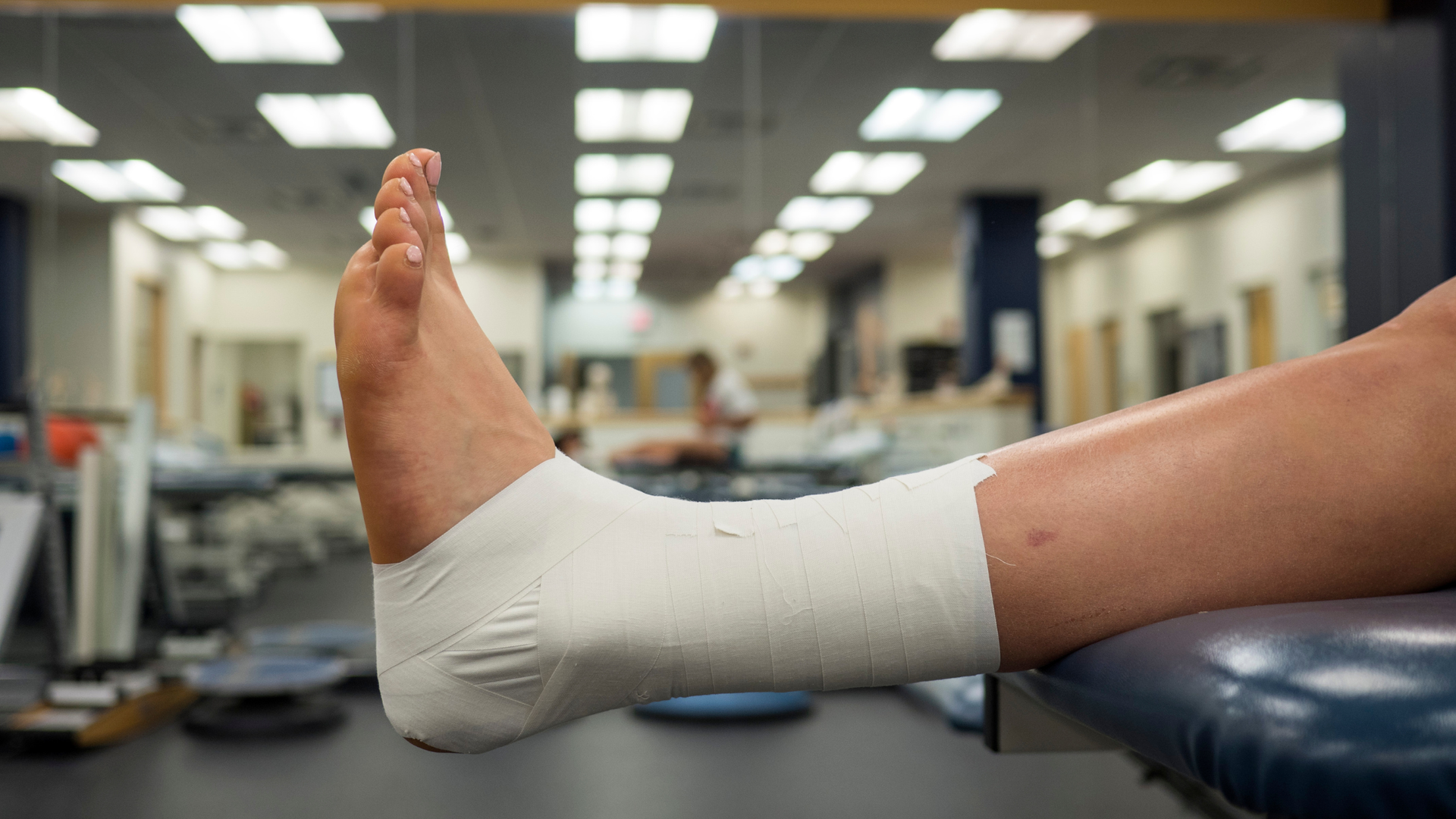
Don’t ignore an ankle sprain. Learn symptoms, causes, and why early treatment is key to preventing long-term pain and instability with expert podiatry care.
By VIV Builder • February 5, 2026
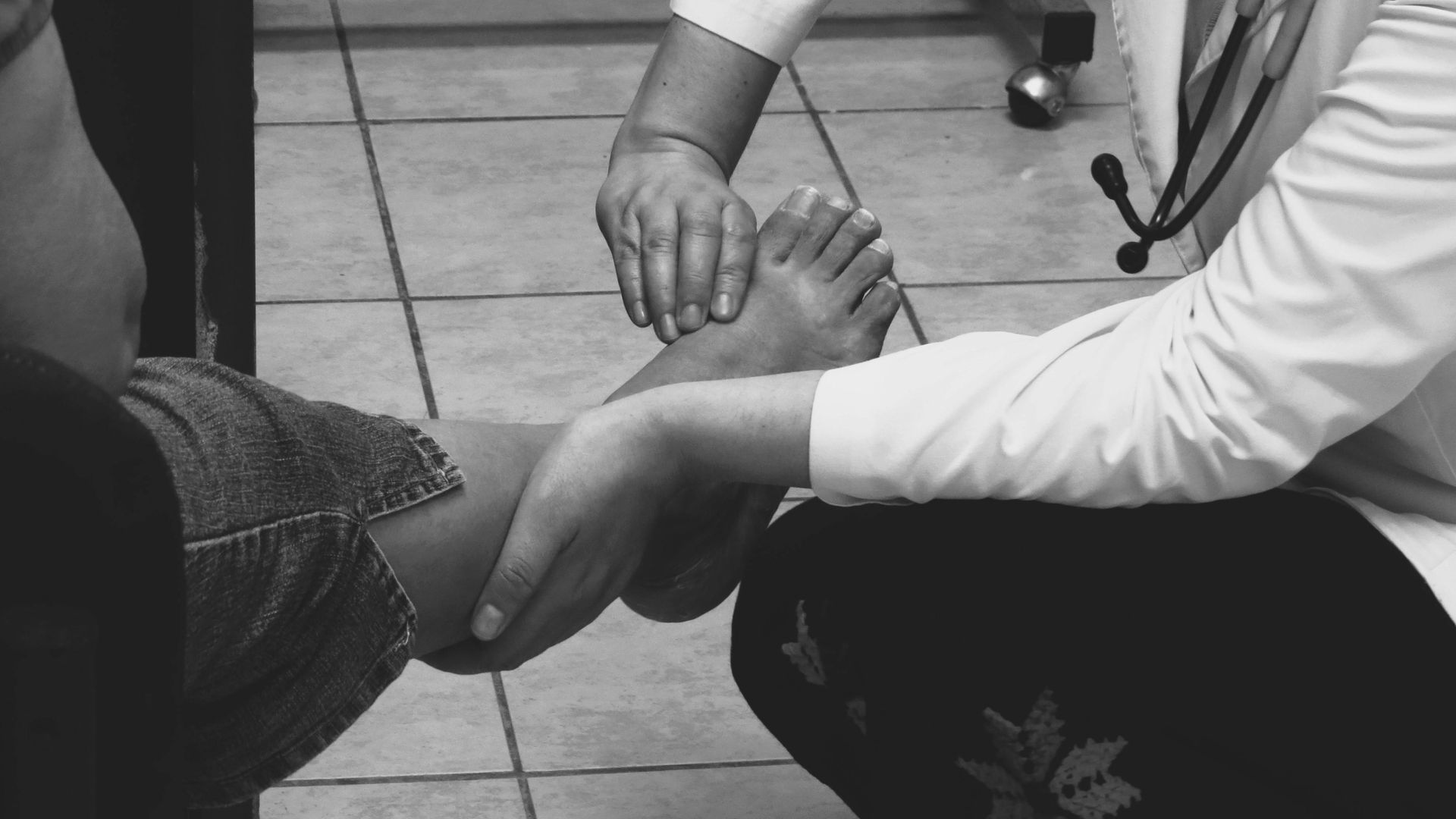
Show your feet some love this February. Learn about common foot problems like heel pain, ingrown toenails, and diabetic foot care, and how podiatry treatment can help.

By VIV Builder • January 23, 2026
Learn what a podiatrist does and how they can help treat foot and ankle conditions. Discover when to seek care and how to stay active, pain-free, and healthy.

By VIV Builder • January 9, 2026
Start the new year pain-free by addressing heel pain early. Learn common causes like plantar fasciitis and how podiatry care can help you stay active and comfortable.

By VIV Builder • December 18, 2025
Start 2026 on the right foot with expert podiatry care. Learn how to prevent foot pain, improve mobility, and stay active with comprehensive exams and treatment options.
December 4, 2025
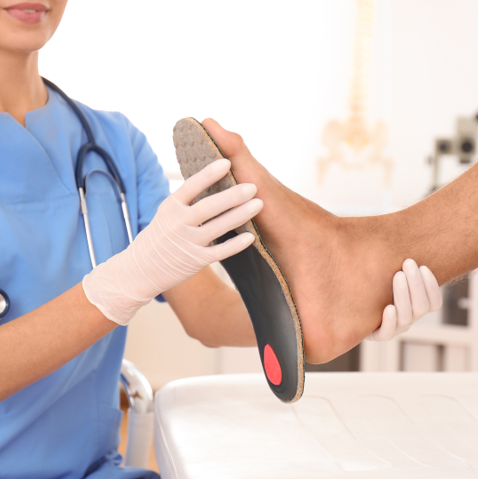
December is the season of giving, and there’s no better gift than comfort. If you’re looking for something meaningful, helpful, and long-lasting, custom orthotics are a great choice. They support the feet, improve balance, and make everyday activities easier and more comfortable. Why Orthotics Make a Great Gift Many people struggle with foot pain, tired feet, or discomfort when walking or standing. Custom orthotics can help by: Reducing foot, heel, and arch pain Providing better alignment and support Improving comfort during work, exercise, and daily routines Helping prevent future foot problems They are a thoughtful gift for anyone—especially those who stay on their feet all day, enjoy being active, or dealing with ongoing foot issues. How Our Team Can Help Our podiatry team offers: Custom Orthotic Fittings tailored to your foot shape and needs Foot Evaluations to identify pain points and pressure areas Supportive Shoe Recommendations for everyday comfort Ongoing Care for long-term foot health Give Comfort This Christmas If you’re searching for a gift that truly helps someone feel better, custom orthotics are a smart and meaningful choice. Contact our office to schedule an appointment or learn more about how orthotics can bring comfort all year long.

Show More