

When To Seek Medical Attention for an Ankle Sprain
July 26, 2024
Nothing can slow you down more than a painful injury to your foot or ankle. You have an expert team to help you with your ankle sprain or injury.
What Is a Sprained Ankle?
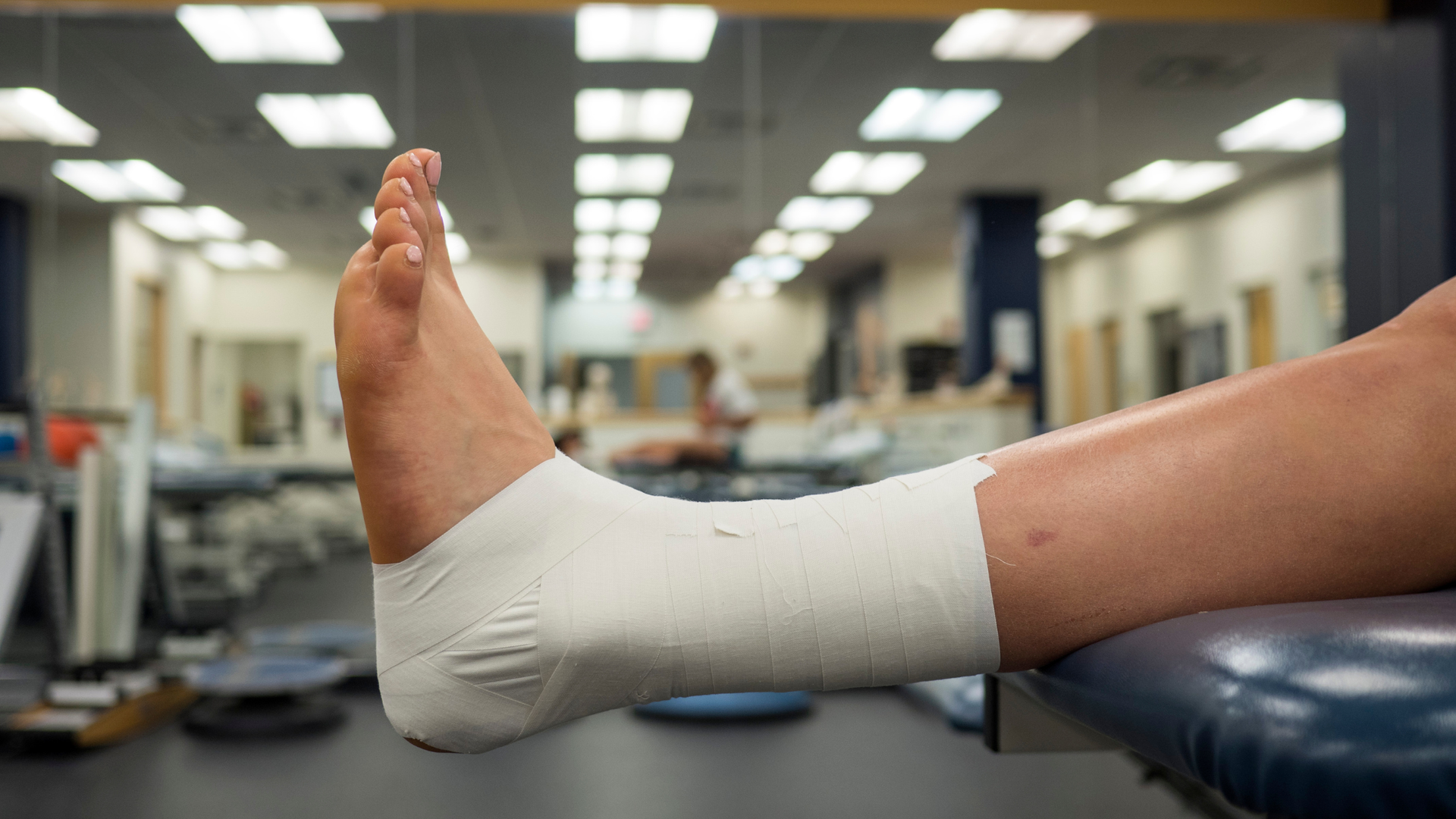
Sometimes the ligaments that connect the bones of your leg to your foot may become damaged. This may happen due to intense movement, an accident, or improper stretching. Falls or jumping are some of the most common culprits. You know you have a sprain when the area begins to swell, bruise, and feel painful. The skin around the ankle may also become bruised. In some cases, the ankle may become stiff as it can't move with the full range of motion as normal.When Do I Seek Medical Care?
Notice if your ankle becomes tender and begins to swell. Swelling may initially go down after you apply ice and get some rest. However, if neither of these reduces the swelling, you should see your local doctor. You know it's time to see any of the local podiatrists when you can no longer bear your weight on the ankle. After all, if you can't bear weight, you won't be able to walk and have full or regular movement. Popping sounds and lingering pain in the leg also means you should consider medical intervention for your ankle sprain.Can You Prevent Sprained Ankle?
If you previously hurt your ankle, give it proper support by taping it or using a support brace so you won't sprain it again. Properly fitting shoes meant for your particular activity or lifestyle can reduce injury to your foot and ankle area. These sprains can also easily occur by wearing high heels beyond your comfort or support level. Be mindful of rough and uneven terrain, as it's easy to trip and dislocate your ankle joint. Most importantly, if you're active, always warm up your entire body, including your feet and ankle area, with gentle movement and stretching.
December 4, 2025
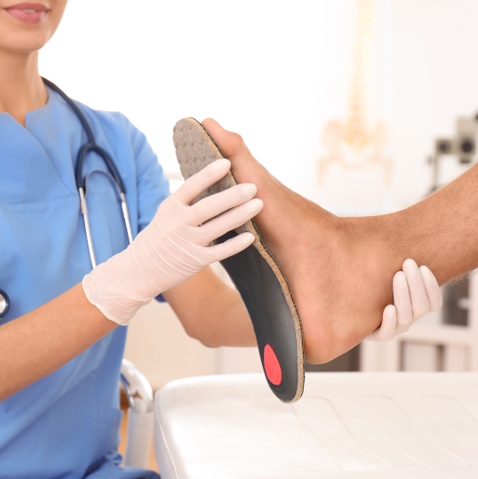
November marks National Diabetes Awareness Month , a time dedicated to raising awareness, supporting those affected, and sharing ways to live healthier with diabetes. With diabetes impacting millions of Americans, proactive foot care remains one of the most important—and often overlooked—parts of diabetes management. Why Foot Health Matters Diabetes can affect the feet in several ways, and early prevention is key. High blood sugar levels may lead to: Nerve damage (neuropathy) that causes numbness, tingling, or loss of sensation Reduced blood flow , slowing the healing process Higher risk of infections, wounds, and ulcers , which can become serious if left untreated Healthy, routine foot care can help prevent complications and support mobility, comfort, and long-term wellness. How Our Podiatry Team Supports Diabetic Foot Health We provide comprehensive diabetic foot care to protect, prevent, and treat foot-related concerns, including: Routine Diabetic Foot Exams Early detection and intervention to address concerns before they become more serious. Custom Orthotics Personalized support to improve balance, relieve pressure points, and enhance walking comfort. Advanced Wound Care Specialized treatment plans for wounds, ulcers, or injuries to promote faster healing and reduce risks. Footwear Guidance Recommendations for proper shoes and inserts designed to prevent irritation, friction, and injury. We’re Here to Help You Stay Healthy Caring for your feet is an essential part of staying active, independent, and healthy with diabetes. Whether you have questions about preventive care, footwear, or treatment options, our podiatrists are here to guide and support you every step of the way. This month is a great time to schedule a diabetic foot check or talk with us about ways to keep your feet protected year-round. Together, we can work toward better foot health and a healthier life with diabetes.

November 7, 2025
November marks National Diabetes Awareness Month , a time dedicated to raising awareness, supporting those affected, and sharing ways to live healthier with diabetes. With diabetes impacting millions of Americans, proactive foot care remains one of the most important—and often overlooked—parts of diabetes management. Why Foot Health Matters Diabetes can affect the feet in several ways, and early prevention is key. High blood sugar levels may lead to: Nerve damage (neuropathy) that causes numbness, tingling, or loss of sensation Reduced blood flow , slowing the healing process Higher risk of infections, wounds, and ulcers , which can become serious if left untreated Healthy, routine foot care can help prevent complications and support mobility, comfort, and long-term wellness. How Our Podiatry Team Supports Diabetic Foot Health We provide comprehensive diabetic foot care to protect, prevent, and treat foot-related concerns, including: Routine Diabetic Foot Exams Early detection and intervention to address concerns before they become more serious. Custom Orthotics Personalized support to improve balance, relieve pressure points, and enhance walking comfort. Advanced Wound Care Specialized treatment plans for wounds, ulcers, or injuries to promote faster healing and reduce risks. Footwear Guidance Recommendations for proper shoes and inserts designed to prevent irritation, friction, and injury. We’re Here to Help You Stay Healthy Caring for your feet is an essential part of staying active, independent, and healthy with diabetes. Whether you have questions about preventive care, footwear, or treatment options, our podiatrists are here to guide and support you every step of the way. This month is a great time to schedule a diabetic foot check or talk with us about ways to keep your feet protected year-round. Together, we can work toward better foot health and a healthier life with diabetes.